




Ragdoll Flip Big Air, Wobbly Flips, and Tricky Landings
Play Ragdoll Flip instantly in your browser - No download required!
Share Ragdoll Flip with Friends!
Tweet about Ragdoll Flip, a fun Trending game!
Discover More Ragdoll Flip
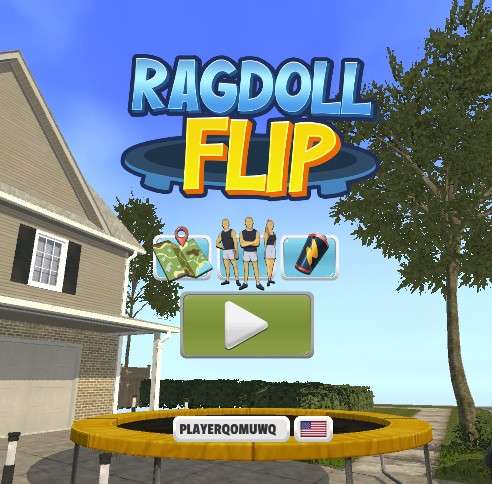
Ragdoll Flip

Capybara Mart
Your AI Slop Bores Me
Bottle Hop
Horse Magnifier

Brush Jjaemu
The Archives of Trevosa
Meet Your Very Floppy Stunt Double
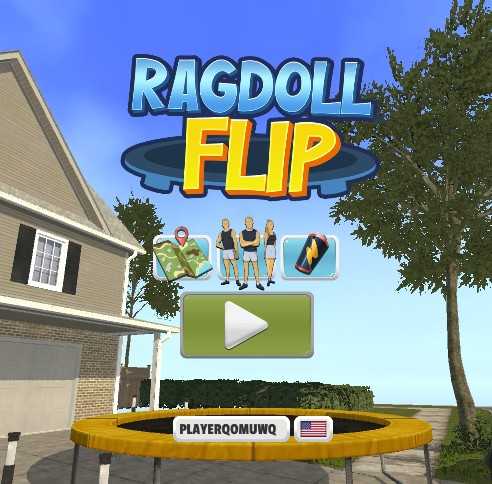
Ragdoll Flip is a physics-based stunt game about launching a flexible character into the air, pulling off flips, and landing safely. The plan sounds sensible until your stunt double starts folding like a lawn chair halfway through a rotation.
From Launch to Please Stick It
Check the On-Screen Instructions
Look over the game's instructions before your first launch so you know how to perform your stunt.
Send Your Ragdoll Airborne
Launch your character and watch the arc of the jump. Get a feel for how long you have before the landing catches up.
Work a Flip Into the Jump
Try a flip while you're airborne, keeping an eye on your character's orientation. Those loose limbs can make a rotation look messier than expected.
Think About the Touchdown
Watch your descent as closely as your spin. A flashy flip still needs a safe landing to finish the job.
Learn From the Awkward Ones
Notice where a stunt goes wrong, then adjust your approach on the next attempt. Change one thing at a time so you can tell what helped.
Your Browser Is the Launch Pad
Open Ragdoll Flip in your browser and let the game load—there's no installation needed. Check the on-screen instructions, then give that floppy stunt double some airtime.
Why Give This Ragdoll Some Air?
An Easy Goal to Get Behind
There's no mystery about what you're trying to do: flip and land safely. You can put your attention straight into the stunt.
The Wobble Is Half the Fun
A ragdoll has a special talent for making a nearly successful stunt look absurd. The awkward attempts have entertainment value of their own.
Clean Landings Feel Earned
Watching a messy rotation turn into a safe touchdown is satisfying. You get to see the whole attempt come together.
Something to Adjust Next Time
Each attempt gives you a chance to notice your timing and try a different approach. That almost-landed flip is a pretty good reason to have another go.
What's Behind All That Flailing?
Physics-Based Stunts
Your character's movement gives each stunt its shape. Pay attention to the flight and rotation instead of assuming every jump will look tidy.
A Flexible Ragdoll Character
Loose limbs bring plenty of wobble to the action. Even a serious attempt at a clean flip can look wonderfully ridiculous.
Flips With a Landing to Consider
Getting upside down is only part of the challenge. You also need to bring that airborne chaos back to a safe finish.
A Clear Stunt Goal
Launch, flip, and land safely: the objective is easy to understand. Making the whole attempt look controlled takes more attention.
Before You Throw Yourself Into It
What is Ragdoll Flip?
It's a physics-based stunt game where you launch a flexible ragdoll character, perform flips in the air, and try to land safely.
What is the main goal?
Complete an airborne stunt and bring your character down safely. The landing matters just as much as the flip.
How do I learn the controls?
Check the instructions shown in the game before you start. Use those prompts to learn how to launch and perform your stunt.
Why does the character bend so much?
That flexibility is part of the ragdoll setup. Your stunt double moves with loose, floppy limbs, which is a big part of the fun.
Is this mostly about timing?
Timing matters because you need to fit your rotation into the jump and prepare for the landing. Watching your position in the air helps you judge both.
Should I try a complicated stunt first?
Start with a manageable flip while you learn the movement. A simpler attempt makes it easier to spot what went wrong.
What should I watch during a flip?
Keep track of your character's orientation and how close the landing is. It's easy to admire the flailing and forget the ground is approaching.
How can I improve my landings?
Watch when your character finishes rotating relative to the descent. Use that observation to adjust your timing on the next attempt.
Can a failed stunt still teach me something?
Absolutely: an awkward touchdown can show you that your rotation finished too early or too late. Pick one thing to adjust instead of changing your whole approach.
Do I need to install Ragdoll Flip?
You can jump into the browser version without installing the game. Open the page, let it load, and check the instructions before launching.
A Little Less Flail, a Little More Flip
Learn the Jump's Rhythm
Watch the rise and fall of your character before chasing a prettier stunt. Understanding the time available makes the rotation easier to judge.
Pay attention to the highest point of your next jump.
Track the Body, Not Every Limb
Floppy arms and legs can distract you from the overall rotation. Your character's body gives you a clearer sense of which way the stunt is heading.
Watch the torso as you rotate.
Keep the Landing in View
A flip can look promising in midair and still end awkwardly. Start thinking about the touchdown while there's still air beneath you.
Check your orientation as soon as you begin descending.
Make One Adjustment
Changing your whole approach after a failed attempt makes it harder to learn from it. Keep the next attempt similar and focus on the part that caused trouble.
Adjust your timing slightly on the next try.